WHAT HAPPENED AFTER SOUTH SUDAN GOT HER INDEPENDENCE?
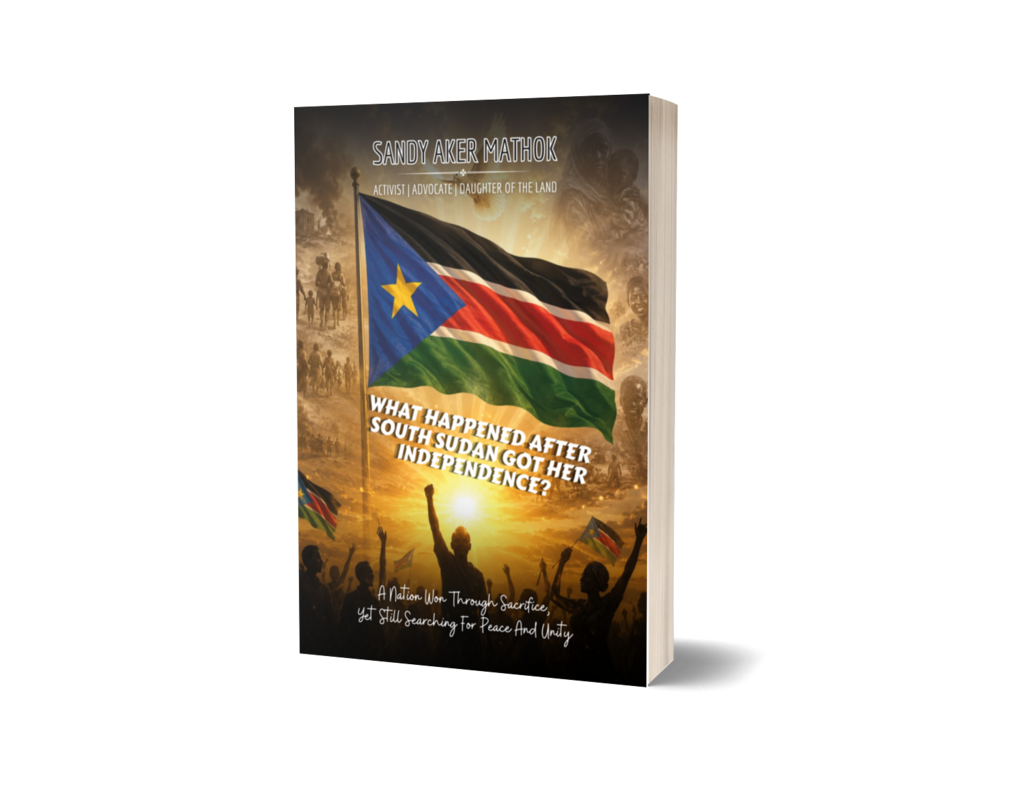

There are moments in history that feel like the parting of a great sea — moments when the impossible becomes real, when the prayers of generations are answered in a single dawn. For the people of South Sudan, the morning of 9 July 2011 was such a moment. Beneath a blazing sun, in a land that had known more war than peace, a new flag rose black, red, green, and gold, with a blue triangle bearing a golden star. A nation was born. The world watched. The people rejoiced. Elderly men and women, survivors of decades of war, stood in dusty fields with tears streaming down their faces. They had endured two civil wars, buried loved ones, and witnessed unimaginable destruction. Yet on that day, hope triumphed over history. After more than two million deaths and mass displacement, South Sudan was finally free. But freedom, it soon became clear, was only the beginning of the story. A nation is not born at the moment a flag is raised; it is built over time — through justice, strong institutions, accountable leadership, and trust between a government and its people. Independence marks a starting point, not a destination.
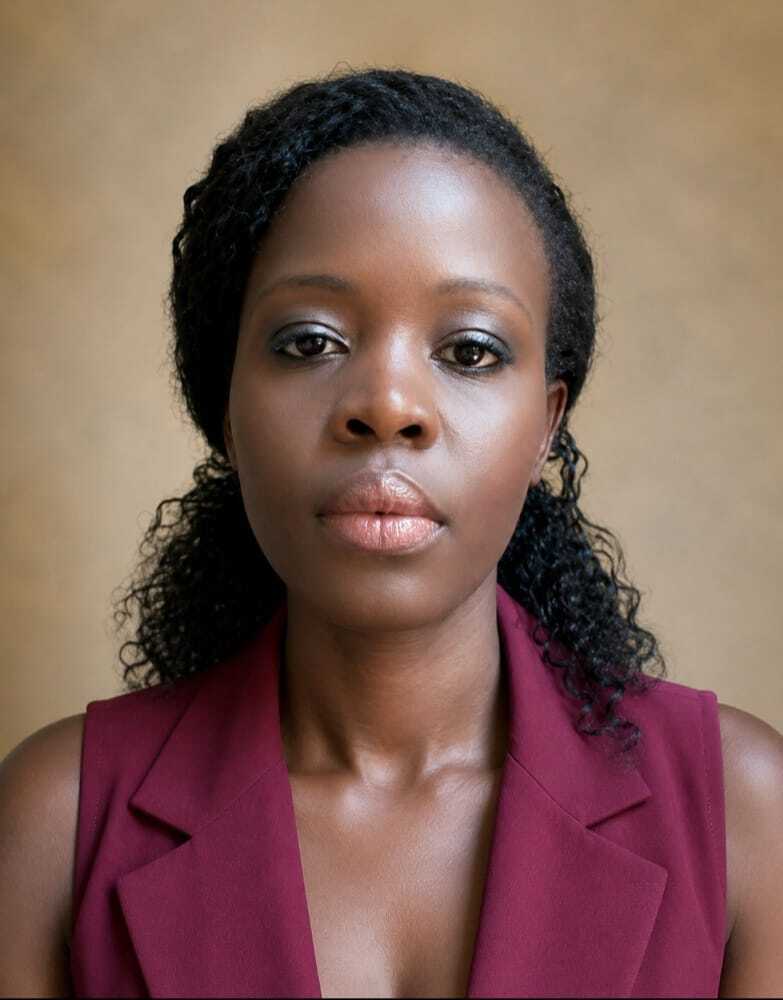
Sandy Aker Mathok is a South Sudanese writer, activist, and advocate committed to using honest storytelling as a tool for justice, awareness, and reconciliation. She holds a degree in International Relations and a certificate in Business Management, grounding her work in both academic insight and practical understanding of global and organizational dynamics. Born into a generation that witnessed South Sudan’s long journey to independence, Sandy has experienced the realities of conflict, displacement, and hope. From the years of civil war to the promise of the Comprehensive Peace Agreement, and through the trials that followed independence, her perspective reflects both personal memory and national history. As a single mother raising a child with special needs, she brings resilience, compassion, and determination into both her life and her writing. Having lived in East Africa, the United Kingdom, and the United States, she offers a voice shaped by both home and diaspora experience. Sandy’s work focuses on themes of identity, justice, leadership, and peacebuilding. Through her writing, she seeks to raise awareness about the ongoing crisis in South Sudan and to encourage meaningful dialogue and action toward lasting peace. She dedicates her voice and her work to the people of South Sudan — those who continue to endure, to hope, and to strive for a nation that reflects the promise of its independence.